
My latest on Impakter Magazine, published Friday 31 August and updated today 3 September, here’s the opening:
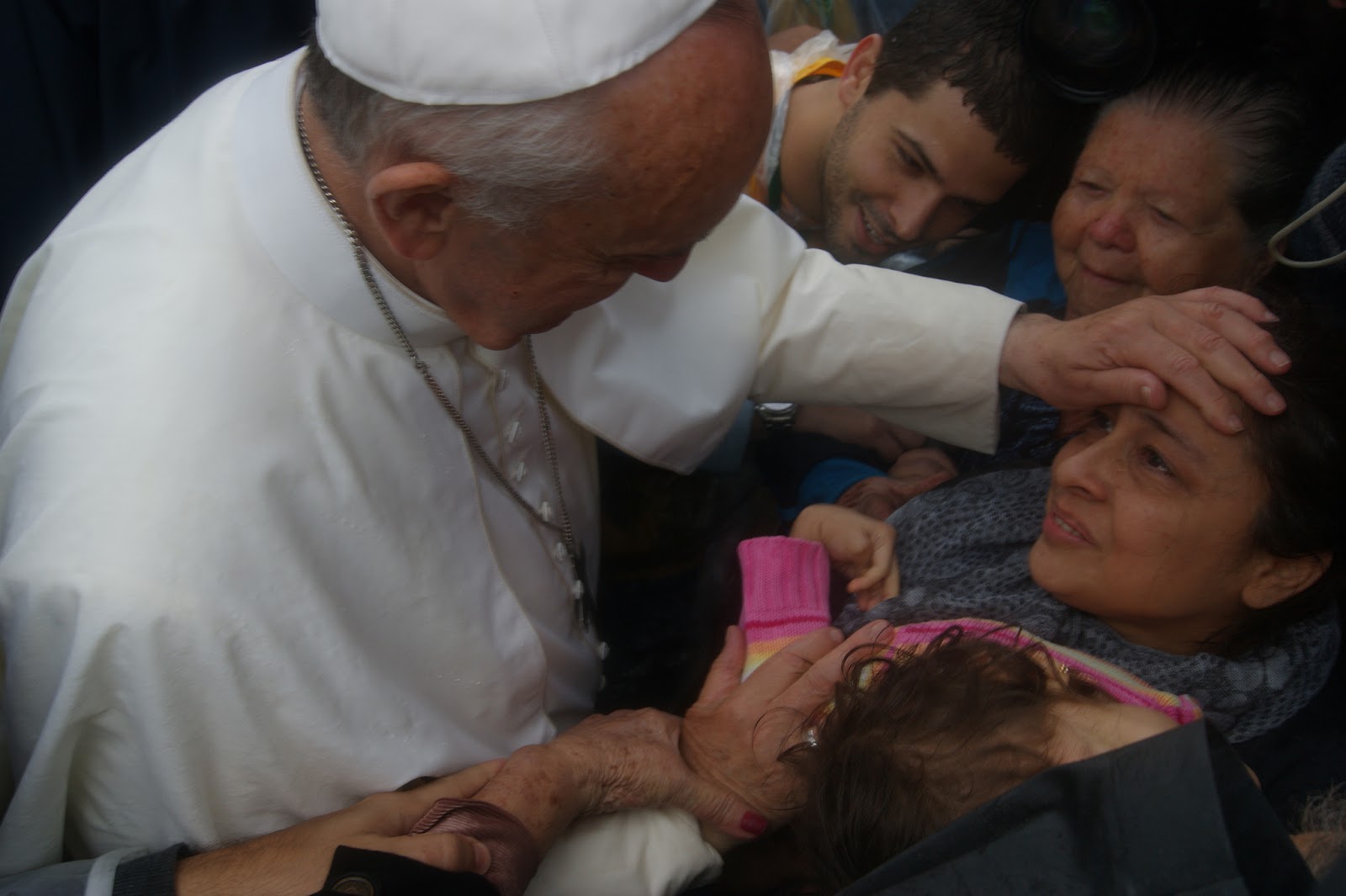
Allegations of sexual abuse cover-up have lately become the weapon of choice to attack the Catholic Church and Pope Francis. The problem with this weapon is that it too often relies on largely unfounded assumptions, of the “he says, she says” variety. The sexual abuse is, of course, very real and deeply shocking. But the cover-up in every case? Not so much. And in any case, cover-up is always hard to prove.
This is precisely what Archbishop Carlo Maria Viganò, a top Vatican diplomat, former Nuncio in America, did in an 11-page long letter of accusations: He accused the Pope and several cardinals and bishops of cover-up of sexual abuse. The problem is that Viganò’s allegations are unverified.
When it was published on August 26 in the National Catholic Register and other media, it was a bombshell that shook the Catholic community not just in the United States but across the world. The letter was intentionally designed to be as scandalous as possible, citing bishops and cardinals by name, zeroing in on former Cardinal Theodore McCarrick in particular. And, shockingly, concluding with a call for the Pope’s resignation:
“In this extremely dramatic moment for the universal Church, he must acknowledge his mistakes and, in keeping with the proclaimed principle of zero tolerance, Pope Francis must be the first to set a good example for cardinals and bishops who covered up McCarrick’s abuses and resign along with all of them.”(p.11 of his letter – in bold and underlined in the original)
The Pope did not dignify his accuser of an answer. On the plane back from Ireland, he told reporters, “I will not say a single word about this, I believe the statement speaks for itself.”
The latest news from Italy is that the Pope is saddened (“amareggiato”) by the accusations but is not remotely thinking of resigning. McCarrick’s replacement in Washington, Cardinal Donald Wuerl, immediately found himself in the eye of the storm.
So what happened, has Viganò’s letter unleashed a storm in a teacup?
Not quite a teacup. Many people wondered why Viganò hadn’t published his letter before. The answer is that it was timed to inflict maximum damage to the Pope’s image, coming out a week after the Pennsylvania grand jury report:
And the Pope was traveling back from Ireland when Vigano’s letter hit the news. The visit had not been easy. The trip to Ireland was seen as hugely symbolic as Ireland, once a bastion of the Catholic Church, has now abandoned the Church’s teachings by legalizing divorce and same-sex marriage and lifting a ban on abortion. This was a country where 90 percent used to attend Sunday mass, now thirty percent do.
People had expected him to announce new measures to protect children. They were disappointed. The Pope was apologetic and repeatedly offered his commiseration. But for many, that was not enough. They wanted action from the Church, not words. Yet, the Pope in his last speech publicly acknowledged the crimes:
If Viganò’s aim was to amp the pressure on the Pope, he certainly succeeded.
It is also clear that Viganò’s attack on the Pope is part of a broader conservative strategy to discredit Francis.
…
Read the rest on Impakter, click here.
Let me know what you think. Whether you are a Catholic or not, I think it’s important news. This is an attack against a Pope who stands for moral values that conservatives these days are strangely lacking. The Pope is a paladin of social justice, defending immigrants and the poor. And he is calling on all of us to fight climate change and environmental degradation. In fact, he defends the whole planet and everyone on it!



 Claude Forthomme's Blog about Social Issues and Books